Read this when
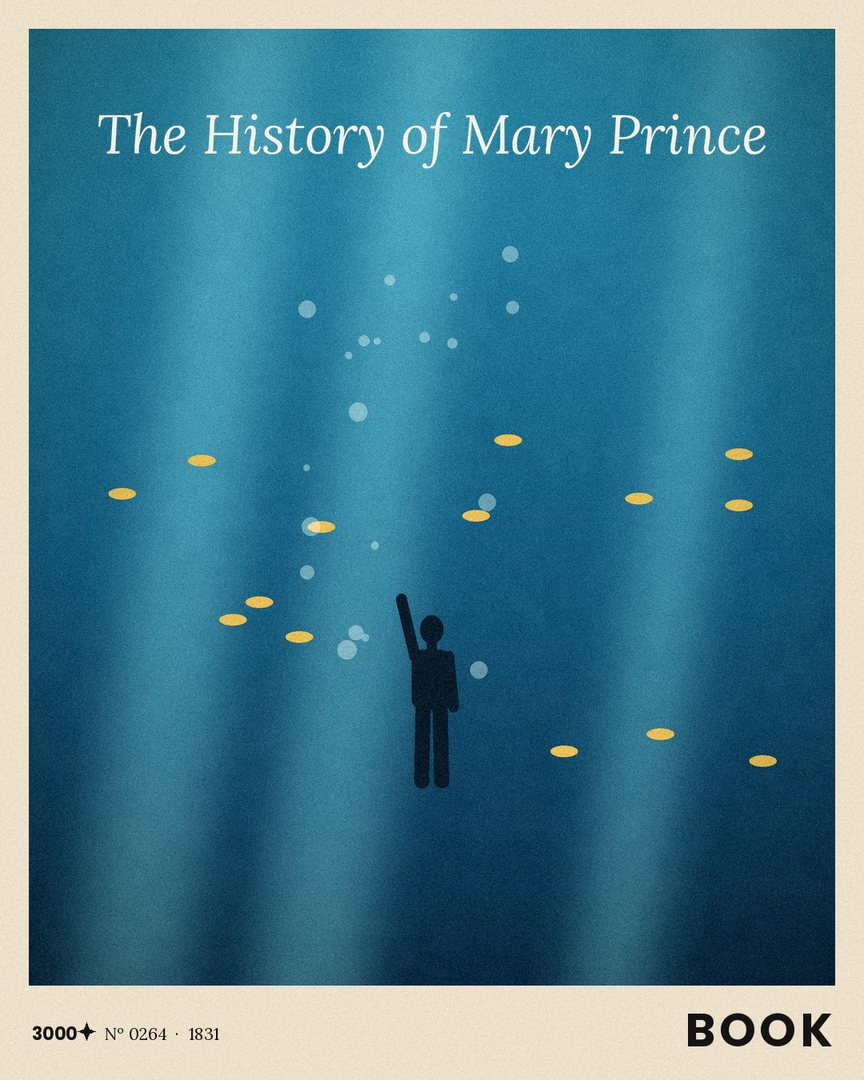
The History of Mary Prince
'I have been a slave myself—I know what slaves feel.' The first published narrative by a Black British woman, and still a masterclass in refusing to be doubted.
Who it's for
Mary Prince speaks to readers who doubted slavery's cruelty with the insistence of someone who knows her own experience is true, which can deeply validate survivors who have had to fight to be believed.
Feelings it meets
What it is
The History of Mary Prince (1831) is the life story of Mary Prince, born enslaved in Bermuda. She could not read or write, so she dictated it in London to Susanna Strickland, and Thomas Pringle of the Anti-Slavery Society edited it.
Where to find it
Public domain in the US (1831, English); free on Project Gutenberg (as The History of Mary Prince, a West Indian Slave) and on Documenting the American South. Annotated editions (e.g., Moira Ferguson'.
Before you start
Heads up: Torture and abuse of enslaved children.
Age: Ages 16+
When I stand before thee at the day's end thou shalt see my scars and know that I had my wounds and also my healing.Rabindranath Tagore, Stray Birds, no. 290